Tuesday, November 03, 2026
Thursday November 5 to Thursday November 12
The New Moon is Monday November 9.

Saturn has set in the western horizon.
Venus and Spica are close low above the horizon
Mars forms a line with Jupiter and the bright star Regulus. The pair are in the "sickle" of Leo and come closer over the week ahead of a spectacular meeting next week.
The insets shows the telescopic view of Mars, Jupiter and Venus at this time.
Similar views will be seen from the rest of Australia at roughly the equivalent local time (45 minutes before sunrise).

Saturn has set.
Venus and Spica are at their closest close low above the horizon
Mars forms a line with Jupiter and the bright star Regulus. The pair are in the "sickle" of Leo and are closer ahead of a spectacular meeting next week.
Similar views will be seen from the rest of Australia at roughly the equivalent local time (45 minutes before sunrise).

Saturn is the brightest object above the eastern horizon. Saturn is past opposition, but is still a magnificent telescopic sight.
The inset shows the telescopic view of Saturn at this time.
Elsewhere in Australia will see a similar view at the equivalent time (90 minutes after sunset).

Mercury is lost in the the evening twilight.
Venus enters the morning twilight close to Spica.
Mars is low in the twilight not far from Jupiter. The pair come closer over the week ahead of a spectacular meeting nest week.
Jupiter climbs higher the morning twilight but remains low on the horizon forming a line with Mars and the bright star Regulus. The pair are in the "Sickle" of Leo.
Saturn Saturn was at opposition, when it is biggest and brightest as seen from Earth, on October the 4th. Saturn is the brightest object above the north-eastern horizon.
Star Map via Virtual sky. Use your mouse to scroll around and press 8 when your pointer is in the map to set to the current time.
Cloud cover predictions can be found at SkippySky.
Here is the near-real time satellite view of the clouds (day and night) http://satview.bom.gov.au/
Labels: weekly sky




 Click to read about or order
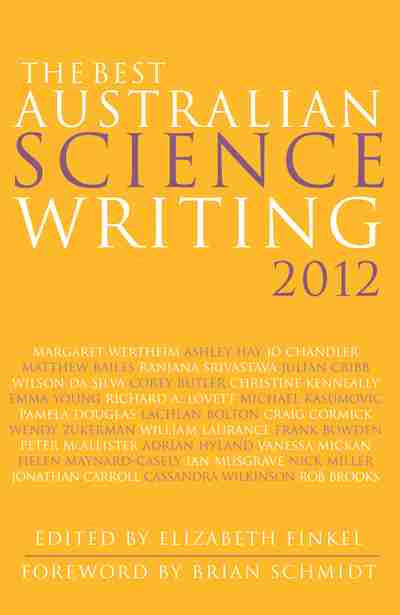 Click to read about or order
 Click to read about or order
 Click to read about or order



