Tuesday, October 20, 2026
Thursday 22 October to Thursday October 29
The Full Moon is Monday October 26. The Moon at perigee, when it is closest to the Earth, on October 29, difficult occultation of Beta Tauri is also on the 29th.

Saturn is low above the north-western horizon. Mars forms a line with Jupiter and the bright star Regulus. The pair come closer over the week ahead of a spectacular meeting in November.
The insets shows the telescopic view of Mars Jupiter at this time.
Similar views will be seen from the rest of Australia at roughly the equivalent local time (90 minutes before sunrise).

Mercury is low above the horizon under Scorpios.
Venus is lost in the twilight
Similar views will be seen from the rest of Australia at roughly the equivalent local time (60 minutes after sunset).

Saturn is the brightest object above the eastern horizon. Saturn was at opposition, when it is biggest and brightest as seen from Earth, on the 4th and is still a magnificent telescopic sight.
The Moon is not far from Saturn making it easy to find the ringed world.
The inset shows the telescopic view of Saturn at this time.
Elsewhere in Australia will see a similar view at the equivalent time (90 minutes after sunset).

The Orionids are a normally worthwhile shower, best seen between 2-4 am, the radiant being just under Betelgeuse, the bright red star in Orion. This year the waning Moon will significantly interfere with viewing in the early evening and the rates will be low, once the moon sets around 4 am the rates will be better. The best viewing is the mornings of the 21st to 23rd with the highest rates on the morning of the 22nd, when between 4-5 am under dark skies you should see about a meteor every 4-5 minutes or so.
Occultation of Beta Tauri (Elnath), Thursday October 29/30. (waning)
 |  |  |
| The western sky at 23:37 ACDST Thursday, October 29, as seen from Adelaide. The Moon is about to occult the bright star Elnath low on the horizon.The inset shows the telescopic view at the time. (click to embiggen). | The western sky at 00:0 AEDST Friday, October 30, as seen from Canberra. The Moon is about to occult the bright star Elnath low on the horizon. The inset shows the telescopic view at the time. (click to embiggen). | The western sky at 00:51 AEST Friday, October 30, as seen from Melbourne. The Moon is about to occult the bright star Elnath low on the horizon. The inset shows the telescopic view at the time. (click to embiggen). |
An occultation best seen from the east coast around midnight. The Moon is waning and low above the horizon. The Moon rises with Elnath occulted in most locations.
| Place | Disappears Dark Limb | Reappears Bright Limb |
| Adelaide ACDST | - | 00:07 (30th) |
| Brisbane AEST | - | 23:48 |
| Canberra AEDST | 23:54 | 00:53(30th) |
| Darwin ACST | - | - |
| Hobart AEDST | - | 01:00 (30th) |
| Melbourne AEDST | - | 00:51 (30th) |
| Perth AWST | - | - |
| Sydney AEDST | 23:55 | 00:55 (30th) |

Mercury is lowering in the the evening twilight.
Venus is lost in the twilight.
Mars is low in the twilight not far from Jupiter. The pair come closer over the week ahead of a spectacular meeting in November.
Jupiter climbs higher the morning twilight but remains low on the horizon forming a line with Mars and the bright star Regulus.
Saturn Saturn was at opposition, when it is biggest and brightest as seen from Earth, on the 4th. Saturn is the brightest object above the north-eastern horizon. The moon is not far from Saturn on the 24th making it easy to find the ringed world.
Star Map via Virtual sky. Use your mouse to scroll around and press 8 when your pointer is in the map to set to the current time.
Cloud cover predictions can be found at SkippySky.
Here is the near-real time satellite view of the clouds (day and night) http://satview.bom.gov.au/
Labels: weekly sky




 Click to read about or order
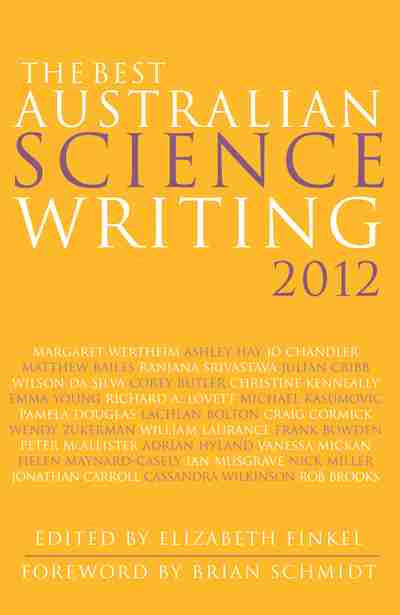 Click to read about or order
 Click to read about or order
 Click to read about or order



